Sewer Line Cleaning in Tyler, TX
When multiple plumbing fixtures back up at once or raw wastewater rises into your bathtubs, your main underground sewer line is compromised. Quick action protects your home from hazardous structural contamination.
We connect callers with independent local contractors. Availability, credentials and price are confirmed with the contractor before work begins.
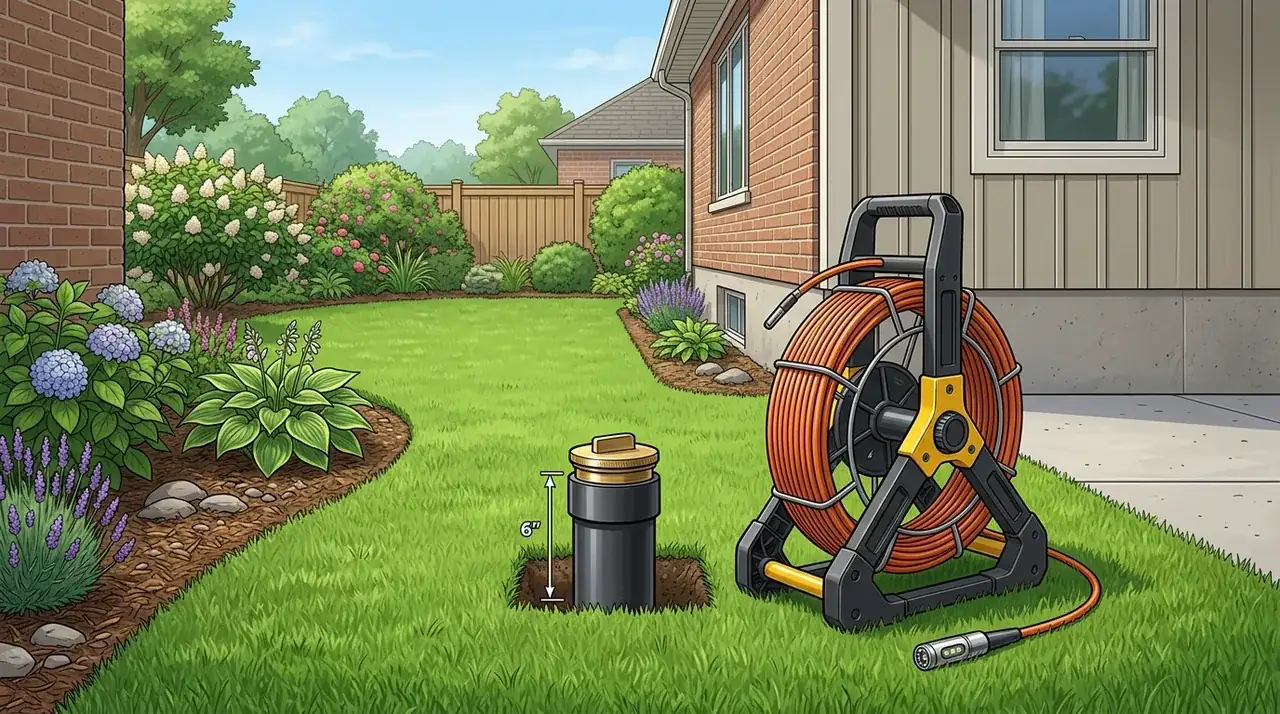 Accessing the main drainage line via the exterior cleanout enables non-invasive camera diagnosis and heavy-duty cabling.
Signs of a Main Line Stoppage vs. Single Fixture Clog
It is critical to distinguish between a branch drain clog and a whole-house main sewer line obstruction:
- Single Fixture Clog: Only one bathroom sink, tub, or kitchen drain is sluggish, while all other fixtures and toilets in the house drain normally. This is typically an isolated trap or branch issue.
- Main Line Stoppage: Water backs up into the lowest plumbing fixture in the home (usually a downstairs bathtub or shower pan) whenever a toilet is flushed or the washing machine drains.
- Gurgling Sounds: You hear bubbling or sucking noises coming from adjacent drains when water is running elsewhere.
- Sewage at Exterior Cleanout: Wastewater or foul odors are leaking around the threaded PVC or cast iron cleanout cap located in your yard.
Immediate Safety Steps During a Sewer Backup
Raw sewage contains dangerous bacteria, viruses, and pathogens. If you suspect an active main sewer backup:
- Stop Using All Water Fixtures Immediately: Do not run dishwashers, washing machines, showers, or flush toilets. Any additional water entering the drainage system will escape out the lowest fixture into your home.
- Keep Children & Pets Away: Block off access to bathrooms or utility areas where sewage has overflowed onto flooring.
- Do Not Pour Chemicals Down the Drain: Caustic chemicals will sit trapped in your pipes, creating a toxic hazard for the technician inspecting the line.
- Call for Professional Triage: Contact telephone dispatch to connect with an independent contractor equipped with motorized root cutters and protective equipment.
Camera Assessment & Clearing Options
When an independent contractor arrives at your property, they evaluate line access through your exterior cleanout riser. Depending on pipe condition and the severity of the obstruction, standard professional steps include:
- Mechanical Motorized Augers: Heavy continuous-feed cables fitted with C-cutter or spade blades penetrate solid obstructions, breaking up toilet paper, wet wipes, and fibrous blockages.
- High-Pressure Hydro Jetting: If the line is choked with thick grease sludge or recurring tree root masses, hydro jetting scours the inner walls to wash away residual matter.
- Optical Video Inspection: A high-definition push camera tracks the line underground to reveal whether shifting East Texas soil has caused pipe sag ("bellies"), offset joints, or crushed pipe walls.
Tyler Shifting Soils & Pipe Bellies
In Tyler, Whitehouse, and Smith County, expansive red clay causes seasonal ground movement. As moisture levels fluctuate between heavy spring downpours and hot summer droughts, the ground heaves and settles.
Underground sewer pipes may develop a "belly"—a low section where water pools rather than maintaining continuous slope. Solids and heavy paper settle in these dips, gradually building into a recurring blockage. Identifying a belly via camera inspection allows property owners to understand whether regular cleaning is sufficient or whether permanent excavation and re-grading are recommended.
Frequently Asked Questions About Sewer Backups
What should I do if raw sewage has overflowed onto my floor?
Shut off all running water immediately. Avoid skin contact with contaminated wastewater. Turn off circuit breakers if electrical outlets or appliances are in contact with water, and call dispatch for emergency contractor scheduling.
Will snaking the sewer line permanently eliminate tree roots?
Mechanical cabling cuts an opening through the root ball to restore flow, but roots naturally seek moisture and will regrow through pipe fractures over time. Follow-up video inspection helps determine if hydro jetting or sewer line repair is necessary.