Sewer line repair in Tyler, TX
When a sewer line keeps backing up after cleaning, or the yard over the line turns soggy or sinks, the pipe itself may be damaged. Call to be connected with an independent local contractor who can assess the line and talk through repair options.
We connect callers with independent local contractors. Availability, credentials and price are confirmed with the contractor before work begins.
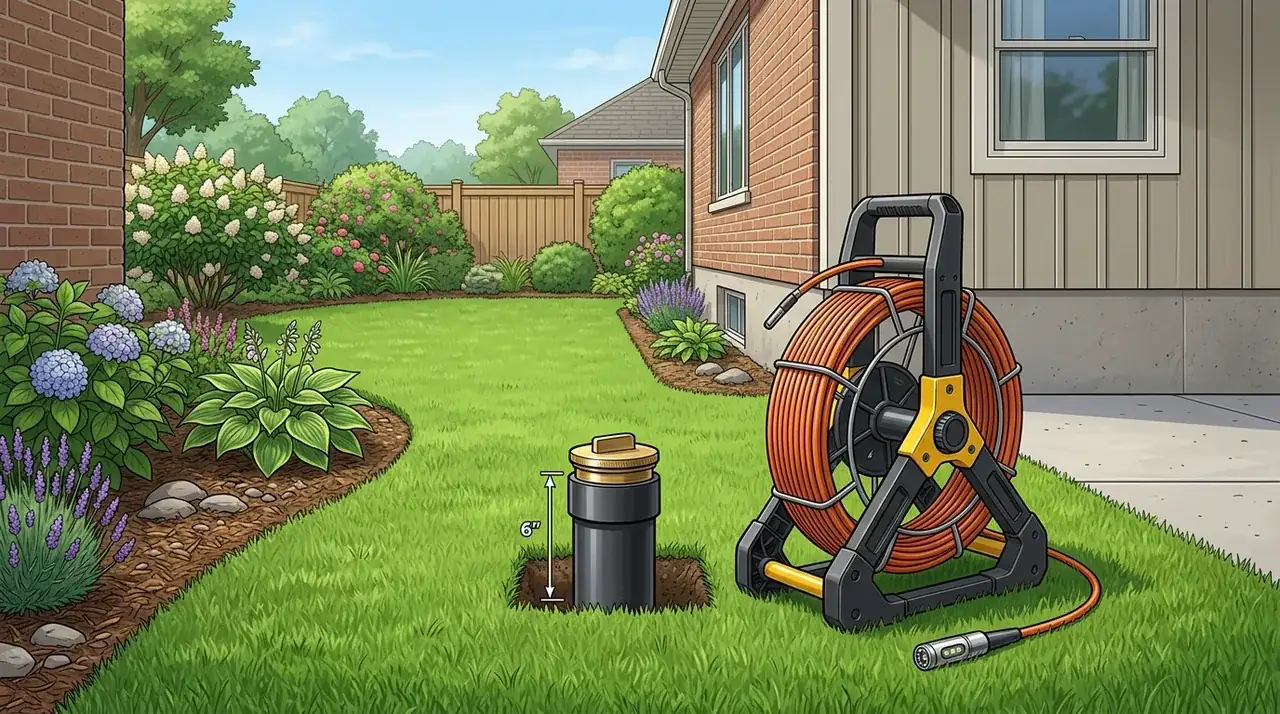 A camera look through the cleanout is a common way contractors check a line before recommending repair.
Repair or cleaning: which does the line need?
Most sewer calls start with a blockage. Wipes, grease and tree roots can stop a line that is otherwise sound, and sewer line cleaning clears that kind of problem. Repair is a different job. It comes up when the pipe itself has failed: a crack or break, a section that has collapsed, roots that have split a joint open, or a sag (a "belly") where waste settles and the line keeps clogging.
Cleaning and repair are not either/or. A contractor will often clear the line first so a camera can see the pipe, then explain whether cleaning is enough or whether part of the line needs repair or replacement. The decision depends on what the inspection shows, not on how bad the backup looked.
Signs the sewer line may need repair
None of these proves a broken pipe on its own, but each one is worth mentioning when you call:
- Repeat backups after cleaning: The line clears, then backs up again within weeks or months.
- Soggy or sunken yard areas: A wet patch, depression or unusually green strip of grass along the path of the sewer line, when it has not rained.
- Sewage odor outdoors: A smell near the cleanout or in the yard, away from any open drain.
- Multiple fixtures backing up: Toilets, tubs and floor drains backing up together points to the main line rather than a single fixture.
- Past camera findings: An earlier inspection that noted cracks, offset joints, root intrusion or a belly.
Trenchless sewer repair and pipe lining in Tyler
Many people searching for sewer line repair want to know if the yard, driveway or landscaping has to be dug up. Some repairs can be done with less digging than a traditional open trench, and contractors may discuss options such as trenchless repair where they are suitable for the pipe.
Pipe lining (cured-in-place pipe)
Pipe lining, often called CIPP, is the method most people mean by "trenchless". The line is cleaned and inspected, then a resin-soaked liner is pulled or inverted into the old pipe through a cleanout or a small access pit and cured in place, forming a new pipe inside the old one. Lining generally needs the host pipe to still hold its shape. It is commonly considered for cracked joints, root intrusion and older cast iron or clay lines that have not collapsed.
Pipe bursting
Pipe bursting pulls a new pipe through the old one while a bursting head breaks the old pipe apart. It usually needs an access pit at each end of the run. It can replace a pipe that is too damaged or too small to line, but it depends on soil, nearby utilities and how the line runs.
When digging is still needed
A collapsed section, a deep belly, a badly offset joint, or a break at the tap to the city main can still call for open excavation or a spot repair. In Tyler's expansive red clay, a line that has sagged because the soil moved may need the bedding under it corrected, which lining alone does not do.
Whether any of those options fits your line depends on the pipe's material, its condition, how badly it has failed and where it runs, and on what the individual contractor offers. Some damaged sections still need to be excavated. Ask the contractor to explain which options they considered for your line and why they recommend one over another.
What to tell the call handler
A few details help connect you with the right local contractor:
- Address and ZIP code: So the call can be matched to a contractor who covers Tyler or your nearby community.
- Symptoms: What is backing up, how often, and whether you have seen wet or sunken spots in the yard.
- Past camera findings: Anything a previous inspection reported, and when the line was last cleaned.
- Cleanout location: Where the exterior cleanout is, if you know.
If sewage is coming into the home, stop running water and keep people and pets away from the affected area until the line is checked.
Frequently asked questions about sewer line repair
How do I know if I need repair or just cleaning?
Usually from a camera inspection. A line that clears and stays clear may only have needed cleaning. A line that keeps backing up, or that shows cracks, a collapse or a belly on camera, may need repair. The contractor explains what they see before recommending work.
Is trenchless repair available for my line?
It depends on the pipe and the contractor. Contractors may discuss trenchless options where they are suitable, but not every line or every failure can be repaired that way. Ask what options fit your line.
Can we stay in the home during the work?
Ask the contractor. Plumbing use may be limited while the line is being worked on, and how long that lasts depends on the job. They can tell you what to expect for your property.